
Your lawn is your sanctuary, a place for relaxation, play, and enjoying the beautiful Cape Coral weather. But when fire ants decide to set up residence, that sanctuary can quickly turn into a minefield of painful stings and unsightly mounds. These aggressive pests aren't just a nuisance; they can pose a real threat to your family and pets. Understanding how to tackle them effectively is key to reclaiming your outdoor space.
Don't let fire ants ruin your lawn. For immediate relief and lasting solutions, contact Coastal Lawn and Pest for expert fire ant control in Cape Coral and surrounding areas!
Why Fire Ants Are Such a Problem in Southwest Florida
Fire ants thrive in the warm, humid climate of Southwest Florida, making them a common unwelcome guest in Cape Coral, Fort Myers, and other nearby communities. They build extensive underground tunnel systems, often marked by visible mounds that can pop up seemingly overnight. What makes them particularly problematic is their aggressive nature and venomous sting.
A single disturbance to their mound can trigger a swarm, leading to multiple painful stings that can be especially dangerous for children, pets, and individuals with allergies. Beyond the discomfort, large infestations can damage your lawn's root systems, leading to patchy, unhealthy grass.
Identifying a Fire Ant Infestation
Before you can effectively treat fire ants, you need to be sure they're the culprits. While their mounds are a strong indicator, it's helpful to know what to look for.
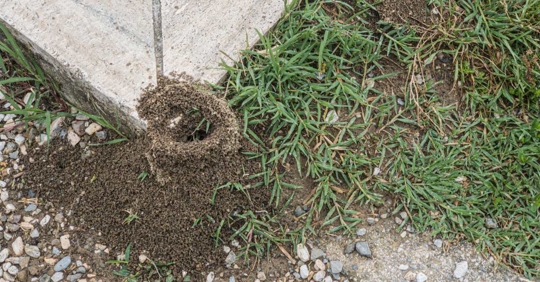
- Mounds: Fire ant mounds are typically dome-shaped, ranging from a few inches to over a foot in height and diameter. Unlike molehills or gopher mounds, fire ant mounds don't have a visible opening at the top; the ants enter and exit through tunnels beneath the surface.
- Appearance of the Ants: Red imported fire ants, the most common type in Florida, are reddish-brown with a darker abdomen. They are relatively small, usually ranging from 1/8 to 1/4 inch in length.
- Behavior: When disturbed, fire ants will quickly swarm out of their mound and aggressively sting anything perceived as a threat. Their stings are distinct, often leaving an itchy, burning welt that can develop into a pustule.
If you suspect you have fire ants, approach mounds with caution, or better yet, let a professional confirm the identification to avoid painful encounters.
DIY Approaches: What Works and What Doesn't
Many homeowners try to tackle fire ant problems on their own. While some methods can offer temporary relief, others are often ineffective or even counterproductive. Here are a few common DIY methods and their effectiveness:
- Boiling Water: Pouring boiling water directly into a mound can kill some ants on contact. However, it rarely reaches the entire colony, especially the queen, who is often deep underground. This method can also scald and damage your lawn.
- Bait Products: Fire ant baits are granules or liquids that ants carry back to their colony, eventually affecting the queen and other ants. These can be effective if used correctly and consistently, but they require patience as results aren't immediate. It's crucial to choose the right bait for the specific species of fire ant and apply it according to instructions.
- Contact Insecticides: These products kill ants on contact. While they can quickly eliminate ants on the surface, they rarely penetrate deep enough to eradicate the entire colony. They are often best used for immediate relief from swarming ants rather than as a long-term solution.
- Home Remedies (Grits, Baking Soda, etc.): Many home remedies circulate online, suggesting things like pouring grits or baking soda into mounds. These methods are generally ineffective and are not supported by scientific evidence. Fire ants are resilient, and these substances may not harm them or their colonies.
While DIY efforts might provide some temporary relief, they often fail to address the root of the problem: the queen and the sprawling underground colony. For truly effective and lasting control, a comprehensive approach is typically needed.
Advantages of Professional Fire Ant Control
When it comes to persistent and widespread fire ant infestations, professional help can make all the difference. Coastal Lawn and Pest understands the unique challenges homeowners in Cape Coral and the surrounding areas face with these pests. Our approach is designed to be effective, focusing on long-term solutions rather than just temporary fixes. Our comprehensive fire ant control services often include:
- Thorough Inspection: We start with a detailed inspection of your property to identify all active mounds and assess the extent of the infestation. This helps us tailor a treatment plan specifically for your lawn.
- Targeted Treatments: We utilize professional-grade products and application methods that are highly effective against fire ants. This may involve broadcast treatments across your lawn to prevent new colonies, as well as direct mound treatments for existing infestations. Our goal is to disrupt the colony's life cycle and eliminate the queen, which is essential for lasting control.
- Integrated Pest Management (IPM) Strategies: We focus on an IPM approach, which means we consider the unique characteristics of your property and the fire ant species present. This holistic strategy aims to minimize pest populations while also considering environmental factors.
- Preventative Measures: Beyond treating existing problems, we can offer advice and implement strategies to help deter future fire ant invasions, keeping your lawn healthier and more enjoyable.
Choosing a professional service like Coastal Lawn and Pest means you're not just getting a quick spray; you're investing in a strategic plan executed by experienced technicians who understand fire ant behavior and effective control methods. We aim to help protect your family and pets from painful stings and preserve the beauty and health of your lawn.
Keeping Your Lawn Healthy to Deter Pests
A healthy lawn is naturally more resistant to many pests, including fire ants. While professional treatment is often necessary for existing infestations, maintaining good lawn care practices can help reduce the likelihood of future problems. Here are some tips for a healthy lawn:
- Proper Mowing: Mow your lawn at the appropriate height for your grass type. Taller grass can shade the soil, keeping it cooler and less inviting for fire ants.
- Appropriate Watering: Water deeply and infrequently rather than shallowly and often. This encourages deeper root growth and can make your lawn less attractive to certain pests. Avoid overwatering, which can create excessively damp conditions that some pests favor.
- Fertilization: Provide your lawn with the nutrients it needs through regular fertilization based on soil test results. A well-nourished lawn is more resilient.
- Address Drainage Issues: Standing water or consistently wet areas can attract various pests. Improve drainage in your yard to eliminate these potential breeding grounds.
By combining professional fire ant control with consistent lawn care, you can create an environment that's less hospitable to these unwelcome invaders and more enjoyable for your family.
Take Action Now to Protect Your Lawn
Don't let fire ants turn your lawn into a no-go zone. If you're a homeowner in Cape Coral or the surrounding areas and are struggling with these aggressive pests, Coastal Lawn and Pest is here to help. Our experienced team can provide effective solutions to help you regain control of your outdoor space.
Reach out to us through our online contact form or call (239) 420-8131 to schedule a fire ant assessment and protect your lawn this season. We're here to provide expert support tailored for Cape Coral homeowners.