
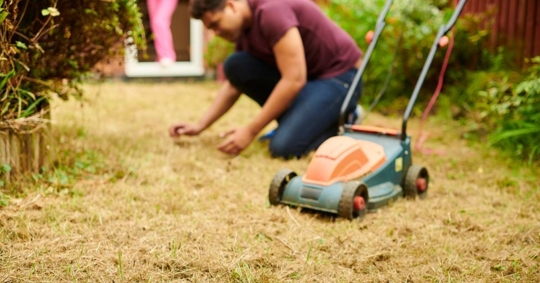
February might not feel like prime lawn season in Cape Coral, but it's actually the perfect time to walk your yard and look for trouble. The weeks before Florida's growing season kicks into high gear offer a critical window to spot problems while they're still manageable. Catching issues now means you won't be scrambling to save your turf when temperatures rise and your grass should be thriving.
Don't wait until spring to discover lawn damage that could have been prevented. Call (239) 420-8131 or fill out our online contact form to schedule your pre-season lawn inspection today.
Why Pre-Spring Assessment Matters in Southwest Florida
Your lawn goes through a lot during Florida's cooler months. While we don't face harsh winters like northern states, our grass still experiences stress from temperature fluctuations, reduced growth, and pest activity that continues year-round. Walking your property before spring growth begins lets you identify weak spots, disease, and pest damage before they become expensive headaches.
Think of it like taking your car in for an oil change before a road trip. A little prevention now saves you from being stranded later. Your lawn works the same way—addressing small issues in late winter keeps your yard looking great when everyone else is fighting to catch up.
Problem #1: Chinch Bug Damage From Winter Activity
Many homeowners assume bugs disappear when temperatures drop, but chinch bugs remain active throughout Florida's mild winters. These tiny pests suck the life out of grass blades, leaving behind irregular patches of yellow or brown turf that many people mistake for drought stress.
Look for these warning signs during your assessment:
- Small areas of discolored grass that gradually expand outward
- Damage that appears first in sunny, hot spots near driveways or sidewalks
- Grass that pulls up easily because the roots have died
- Tiny black bugs with white wings visible when you part the grass at the edge of damaged areas
If you spot potential chinch bug activity, acting quickly prevents them from multiplying as temperatures warm up. These pests reproduce rapidly once spring arrives, so early detection through professional turf-damaging insect control helps protect your investment before an infestation takes hold.
Problem #2: Fungal Diseases Taking Hold
Florida's humidity creates ideal conditions for lawn diseases, and many fungal problems start developing during the cooler months when dew sits on grass longer. Brown patch, dollar spot, and gray leaf spot can all establish themselves before you notice visible symptoms.
During your pre-spring walkthrough, examine your turf for circular or irregular patches that look different from the surrounding grass. Fungal issues often appear as discolored areas with distinct borders, sometimes with a darker outer ring. The grass in affected spots may feel slimy or have a matted appearance, especially in the early morning.
Proper lawn care practices help prevent disease from spreading. Make sure you're not overwatering, as excess moisture encourages fungal growth. If you notice suspicious patches, reducing irrigation and improving air circulation by trimming nearby shrubs can help. Severe cases may require targeted treatment to prevent the disease from destroying larger sections of your yard.
Problem #3: Soil Compaction and Drainage Issues
Heavy foot traffic, vehicle weight, and even Florida's intense summer rains can compact your soil over time. Compacted soil prevents water, air, and nutrients from reaching grass roots, which weakens your turf and creates bare spots where weeds move in.
Check for compaction by pushing a screwdriver into your lawn in several locations. If it meets significant resistance or won't penetrate more than a couple inches, your soil is too dense. Also watch for areas where water pools after rain—these low spots indicate drainage problems that will worsen once spring storms arrive.
Addressing compaction now, before the growing season, gives your grass time to recover. Core aeration removes small plugs of soil, allowing roots to expand and absorb resources more effectively. For persistent drainage issues, you may need to add soil to level low areas or create channels that direct water away from problem zones. Taking these steps now means your grass can focus its spring energy on growth rather than fighting poor soil conditions.
Problem #4: Nutrient Deficiencies Showing in Your Turf
Your lawn used stored nutrients to survive the slower winter months, and those reserves may be running low. Grass that looks pale, yellowed, or uneven in color often signals nutritional gaps that will limit spring growth if left unaddressed.
St. Augustine grass, the most common variety in Cape Coral, typically shows nitrogen deficiency through overall yellowing or light green color. Iron deficiency appears as yellowing between leaf veins while the veins themselves stay green. These problems become more pronounced as growth accelerates, leaving you with a lackluster lawn during the season when you most want it looking its best.
A pre-spring assessment identifies what your turf needs before the rush of new growth begins. Professional fertilization services can test your soil and apply the right balance of nutrients at the optimal time. Getting ahead of deficiencies now means your grass emerges from dormancy strong and ready to fill in thin areas naturally.
Problem #5: Weed Pressure Building Unnoticed
Weeds don't take the winter off in Florida. While your grass slows down, opportunistic plants like dollarweed, sedge, and various broadleaf weeds continue establishing themselves. By the time spring arrives, these invaders have developed extensive root systems that make them much harder to control.
Walk your property and look for small clusters of unfamiliar plants, especially in areas where your grass looks thin. Early-stage weed problems are much easier to address than full-blown infestations. Even a few weeds in February can become hundreds by April as they spread through seeds and underground runners.
Pre-emergent treatments applied before spring can prevent many weed seeds from germinating, while spot treatments handle existing problem plants. The key is timing—waiting too long means you'll spend the entire growing season fighting weeds instead of enjoying a thick, healthy lawn. Combining weed control with proper lawn care practices creates an environment where your grass outcompetes unwanted plants naturally.
Take Action Before Spring Arrives
Walking your yard now and noting these five common problems sets you up for a successful growing season. Most homeowners wait until damage is obvious, but by then you're already behind. The best lawns in Cape Coral belong to people who think ahead and address small issues before they become big ones.
You don't need to tackle everything yourself. Some problems require professional equipment, expertise, or products that aren't available to homeowners. The important part is recognizing that your lawn needs attention and taking the first step.
Schedule Your Pre-Spring Lawn Assessment Today
February and early March offer the perfect window to prepare your lawn for Florida's intense growing season. Whether you're dealing with pest damage, disease, soil problems, nutrient deficiencies, or weed pressure, Coastal Lawn and Pest can help you identify and address issues before they impact your turf's health and appearance.
Call (239) 420-8131 or complete our online contact form to schedule your assessment and get your yard ready for spring.