
Rodent Control In Cape Coral, FL
Protecting Your Home from Destructive Invaders
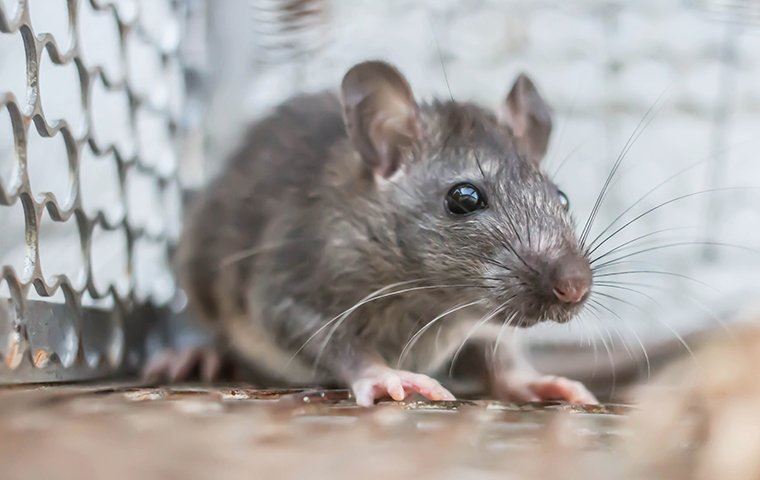
In Cape Coral, our tropical climate and lush landscaping are beautiful, but they also provide the perfect environment for rodents to thrive. Roof rats, also known as palm rats, are particularly notorious in our area for using overhanging tree branches to access roofs and invade attics. Once inside, these pests seek shelter and safety, often nesting in insulation and chewing through materials to build their homes. Ignoring the subtle sounds of scratching or scurrying overhead can lead to rapid reproduction and significant property damage.
At Coastal Lawn and Pest, we know that a rodent issue is one of the most stressful problems a homeowner can face. We have been serving the Southwest Florida community since 2001, and we understand exactly how these pests operate in our local environment. Our team does not just set traps and hope for the best; we employ a strategic approach to remove the current population and prevent them from returning.
Call us today at (239) 420-8131, or contact us online to schedule a thorough rodent inspection.
Recognizing a Rodent Infestation
Rodents are experts at staying out of sight, which means an infestation can often grow significantly before you ever see a live rat or mouse. They are primarily nocturnal, using the cover of darkness to forage for food and water. However, they leave behind distinct clues that can alert a vigilant homeowner to their presence. Catching these signs early is crucial to minimizing damage and health risks.
Common indicators of a rodent problem include:
- Strange Noises: Scratching, gnawing, or scurrying sounds coming from the attic or inside walls, especially at night.
- Droppings: Small, dark pellets found in cupboards, drawers, along baseboards, or in the attic insulation.
- Gnaw Marks: Fresh chewing on wood, plastic, or even electrical wires; rodent teeth never stop growing, so they must chew to keep them sharp.
- Rub Marks: Greasy, dark smudges along walls or baseboards where rodents frequently travel, left by the oils in their fur.
- Nesting Material: Shredded paper, fabric, or dried plant matter gathered in hidden corners or behind appliances.
If you notice any of these signs, it is likely that a colony has already established itself. Waiting to act can result in the pests moving deeper into the structure of your home, making removal more difficult and costly.

Why Choose Coastal Lawn and Pest?
-
Fully Customizable Services for Your HomeNo two properties should be looked at in the same way, and neither should their pest control or lawn care services. Coastal Lawn and Pest offers tailor-made solutions to address problems of any size, caliber, or seriousness.
-
Hand-Picked Service TechniciansThe team at Coastal Lawn and Pest believes the most important part of lawn and pest control is great customer service. That’s why we employ some of the most skilled pest control experts in Southwest Florida — and match skilled service technicians to every and any need.
-
Comprehensive & Integrated ServiceWe are a one-stop shop for all your property management needs, ranging from lawn fertilization to tree and shrub maintenance to pest control and elimination. We’ve served home and business owners with outstanding services since 2001 (and counting).
The Hidden Dangers of Rodents
While the sight of a rat or mouse is frightening, the unseen damage they cause is often the real danger. Rodents are compelled to chew constantly, and they do not discriminate between a piece of wood and your home's electrical wiring. This behavior poses a serious fire hazard, as stripped wires inside walls can spark and ignite insulation or framing. Additionally, they often damage air conditioning ductwork, leading to energy loss and the circulation of contaminants throughout the home.
Beyond physical damage, rodents present significant health risks to your household. They are known carriers of various diseases, including Salmonella, Leptospirosis, and Hantavirus, which can be transmitted through their droppings, urine, or saliva. As they move through your home, they contaminate food preparation surfaces and pantry items. Furthermore, rodents often carry secondary pests like fleas, ticks, and mites, introducing a second layer of infestation into your living space. Professional intervention is the only way to help ensure these risks are fully addressed.
-
 InspectionOur team will conduct a thorough inspection of your property to determine the scope of the rodent problem. We’ll look for signs such as droppings, gnaw marks, or nesting materials that can help us identify what type of rodent is in your home or business.
 -
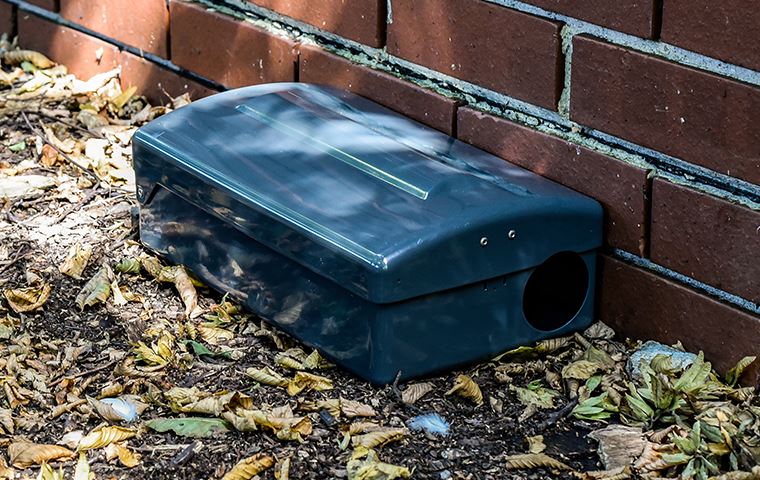
TreatmentOnce we’ve identified the type of rodents present and assessed the infestation, we’ll create a plan of action to eliminate them quickly and effectively. We use a combination of techniques such as traps, baits, and exclusion to remove the rodents from your property.
-
MonitoringAfter the initial treatment is complete, we’ll monitor your property to ensure that all the rodents are gone. and that there won’t be any more infestations in the future. Our team also helps you take preventive measures that will discourage new infestations or re-infestation.

Our FAQ
Have questions? We are here to help. Still have questions or can't find the answer you need? Give us a call at 239-420-8131 today!
-
Why do I have a rodent problem?Rodents look for food, water, and shelter in homes and businesses. Common entry points include holes or cracks around the foundation, vents, or gaps in windows and doors. Once inside, they can quickly multiply and cause a lot of damage.
-
How can I prevent a future infestation?Sealing any holes or cracks around windows, vents, and other potential entry points can help keep rodents out. Additionally, it’s important to practice good sanitation habits like cleaning up food and water spills promptly and keeping lids on garbage cans.
Landscaping Tips to Prevent Rodents
Effective rodent control often starts in the yard. In Cape Coral, "Roof Rats" are excellent climbers that use trees as bridges to access your home. To reduce the risk of invasion, keep palm fronds and tree branches trimmed back at least six to eight feet from your roofline. This simple step eliminates the "highway" that allows rats to bypass your walls and go straight for the attic.
Additionally, be mindful of food sources in your landscape. Fallen citrus fruit, unharvested vegetables, and accessible bird feeders are major attractants for rodents. Regularly cleaning up fallen fruit and securing trash cans with tight-fitting lids will make your property much less appealing to foraging pests. Finally, dense vegetation against the foundation of your home provides hiding spots; keeping shrubbery trimmed and creating a buffer zone between plants and your house can deter rodents from nesting near your entry points.
.2604160223224.jpg)
.2604160212559.jpg)

